16 03, 2026

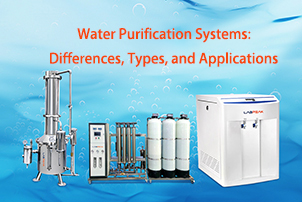
Laboratory Water Purification Systems: Differences, Types

2026-03-16T10:58:31+08:00March 16th|Blog|

Common contaminants in tap water include enzymes, gases, organic matter, microorganisms (bacteria, viruses), and others. Laboratory water purification aims to filter out various contaminants from water to meet the requirements of chemical analysis and biological experiments. Understanding the types, performance characteristics, and applicable uses of different water purification systems helps laboratories select appropriate equipment based on actual needs. [...]

25 02, 2026

Refrigerator that Complies with Medical & Laboratory Standards

2026-02-25T15:54:50+08:00February 25th|Blog|

Laboratories contain numerous temperature-sensitive samples, such as blood bags and vaccines. To ensure the viability and safety of these samples remain unaffected, they must be stored within specified temperature-controlled ranges. Any temperature fluctuations, cold chain interruptions, or unstable storage conditions may cause protein denaturation or sample degradation. This directly impacts the accuracy of test results and the reliability [...]

12 02, 2026

PCR Workstation: Guide to PCR Cabinets

2026-02-12T09:54:50+08:00February 12th|Blog|

A PCR cabinet is a specialized workstation designed to create a controlled environment for Polymerase Chain Reaction (PCR) procedures. It helps minimize contamination risks by providing a sterile area, ensuring the accuracy and reliability of PCR results. Typically equipped with UV light and HEPA filters, PCR cabinets are essential for DNA amplification processes in molecular biology labs. Continue [...]

12 02, 2026

How Does a Laminar Flow Cabinet Work

2026-02-12T09:54:43+08:00February 12th|Blog|

What is a laminar flow cabinet? Clean benches and biosafety cabinets are commonly used as examples of laminar flow hoods. These devices are designed to direct high-quality air to the work surface. A laminar flow cabinet is a closed-system device equipped with a HEPA filtration system, designed to provide a clean and sterile operating environment during experiments. It [...]

12 02, 2026

Difference Between Laminar Flow and Biosafety Cabinet

2026-02-12T09:54:28+08:00February 12th|Blog|

Ensuring safety in the laboratory is of utmost importance, and biosafety cabinets and laminar flow hoods are critical pieces of equipment for achieving this goal. Although the two appear similar in appearance, they differ significantly in terms of function, application, and design principles. This article will provide a comprehensive comparison of biosafety cabinets and laminar flow hoods, detailing [...]

12 02, 2026

How does Ethylene Oxide Sterilization Work

2026-02-12T09:54:15+08:00February 12th|Blog|

Ethylene oxide sterilization gas is the most commonly used sterilization method at room temperature. Ethylene oxide sterilization is widely applied in the sterilization of medical devices. Due to its active nature, strong bactericidal power, and minimal damage to items, ethylene oxide sterilization is currently one of the primary sterilization methods. This article will discuss the sterilization process, principles, [...]

26 11, 2025

What is a Biological Safety Cabinet

2025-11-26T15:27:16+08:00November 26th|Blog|

A biological safety cabinet (BSC) is a critical piece of laboratory equipment designed to protect laboratory workers, the surrounding environment, and samples from exposure to harmful biological agents. These cabinets provide a controlled environment by using airflow systems to prevent contamination, ensuring both safety and accuracy in experiments involving pathogens, toxins, and other hazardous biological materials. Available in [...]

7 08, 2025

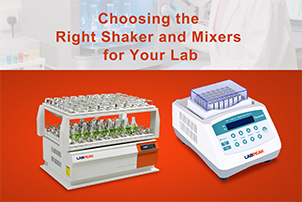
Choosing the Right Shaker and Mixers for Your Laboratory

2025-08-07T17:40:43+08:00August 7th|Blog|

The Difference Between a Shaker and a Mixer A shaker, also known as an oscillator, is a laboratory instrument used to apply controlled shaking or oscillation to cultures, liquids, or solutions on a horizontal platform in a symmetrical manner. A shaker typically consists of components such as a motor, oscillation platform, clamps, and a controller, and the vibration [...]

21 07, 2025

A Guide to Freeze Drying for the Laboratory

2025-07-21T15:18:02+08:00July 21st|Blog|

Laboratory freeze dryers have become indispensable tools for preserving and processing various materials. Using unique technology, they gently remove moisture or other solvents from substances. This effectively extends the shelf life of samples and improves their stability during transportation and storage. Laboratory freeze dryers are used in a wide range of industries, including pharmaceuticals, bioengineering, food science, and [...]

26 06, 2025

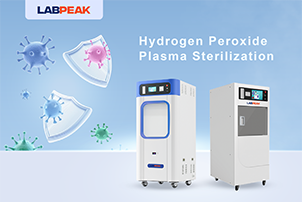
Low Temperature Hydrogen Peroxide Plasma Sterilization

2025-06-26T08:33:32+08:00June 26th|Blog|

In today's increasingly stringent environment for medical device sterilization standards, traditional high-temperature sterilization methods are no longer sufficient to meet the processing requirements for heat-sensitive materials. Low-temperature hydrogen peroxide plasma sterilization technology has emerged as a specialized solution for sterilizing instruments and equipment sensitive to heat and humidity. This technology utilizes hydrogen peroxide as a sterilant at low [...]

Title

CONTACT INFO

Liancheng Manufacturing Town, No. 19 Huanghe Street, Jinan City, Shandong Province, China

Go to Top